



Orders over US$150 ship free to the United States. No code needed.

If I could give one piece of advice before you order an outdoor cover, it would be this: get the fit right. A correctly fitting cover is always superior to one that's too loose. When a cover flaps in the wind, it doesn't protect properly — and it can wear itself out doing the wrong job.
I'm Jack, founder of Kipiea Covers. You've probably seen it yourself: a cover ballooning off a grill, slapping against a lid handle, or sitting in a heap of soggy folds on a sofa. The fabric might be perfectly good. The problem is the size.

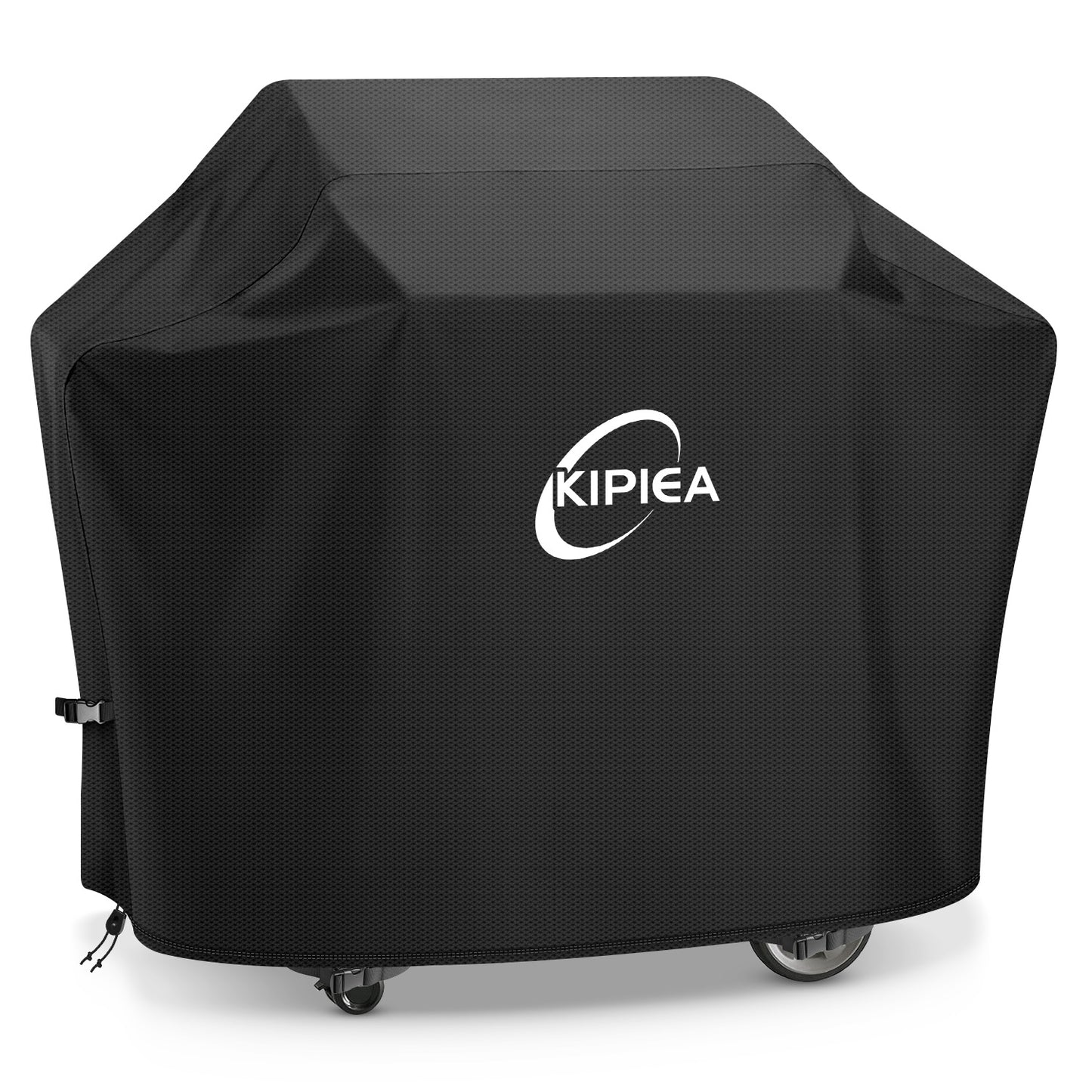
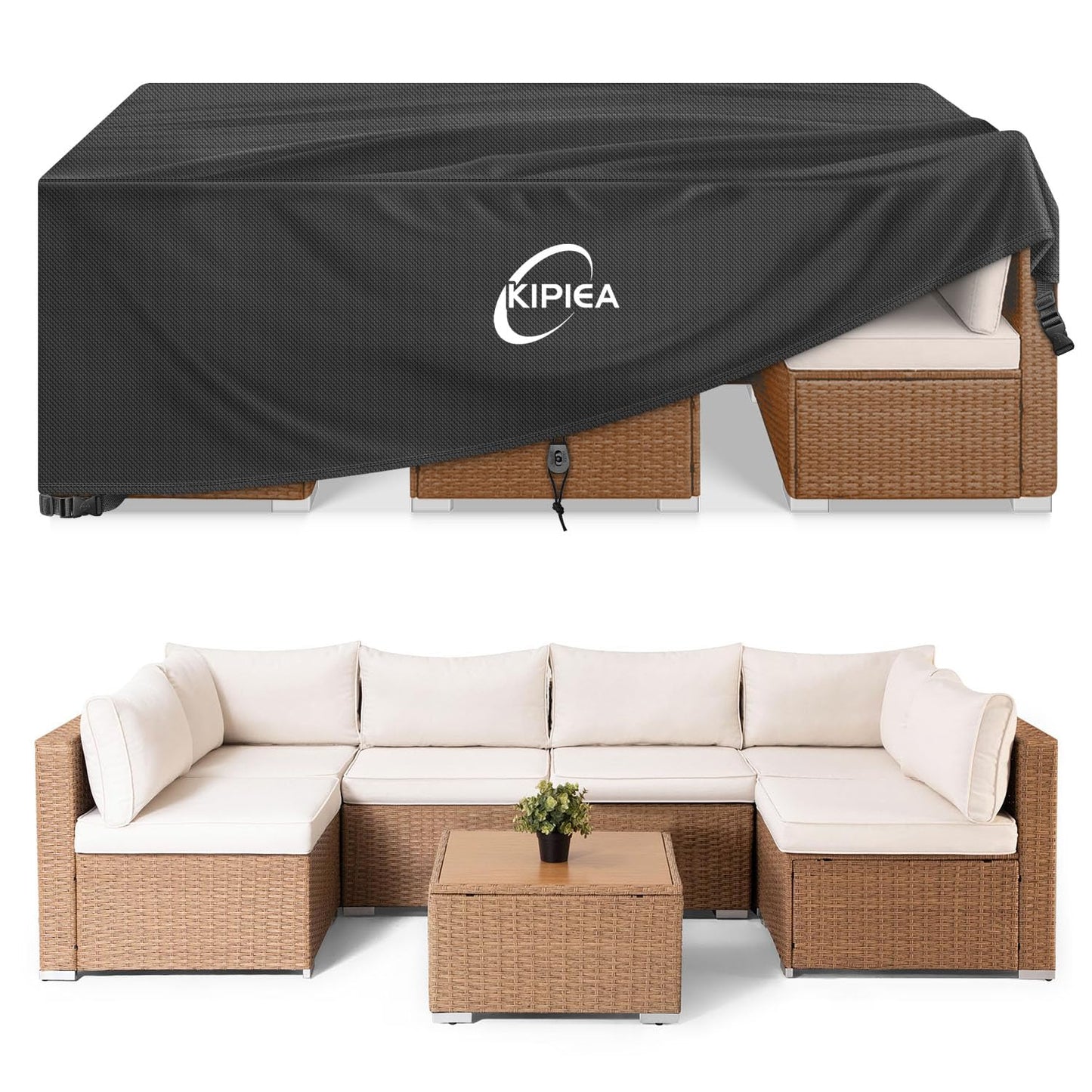
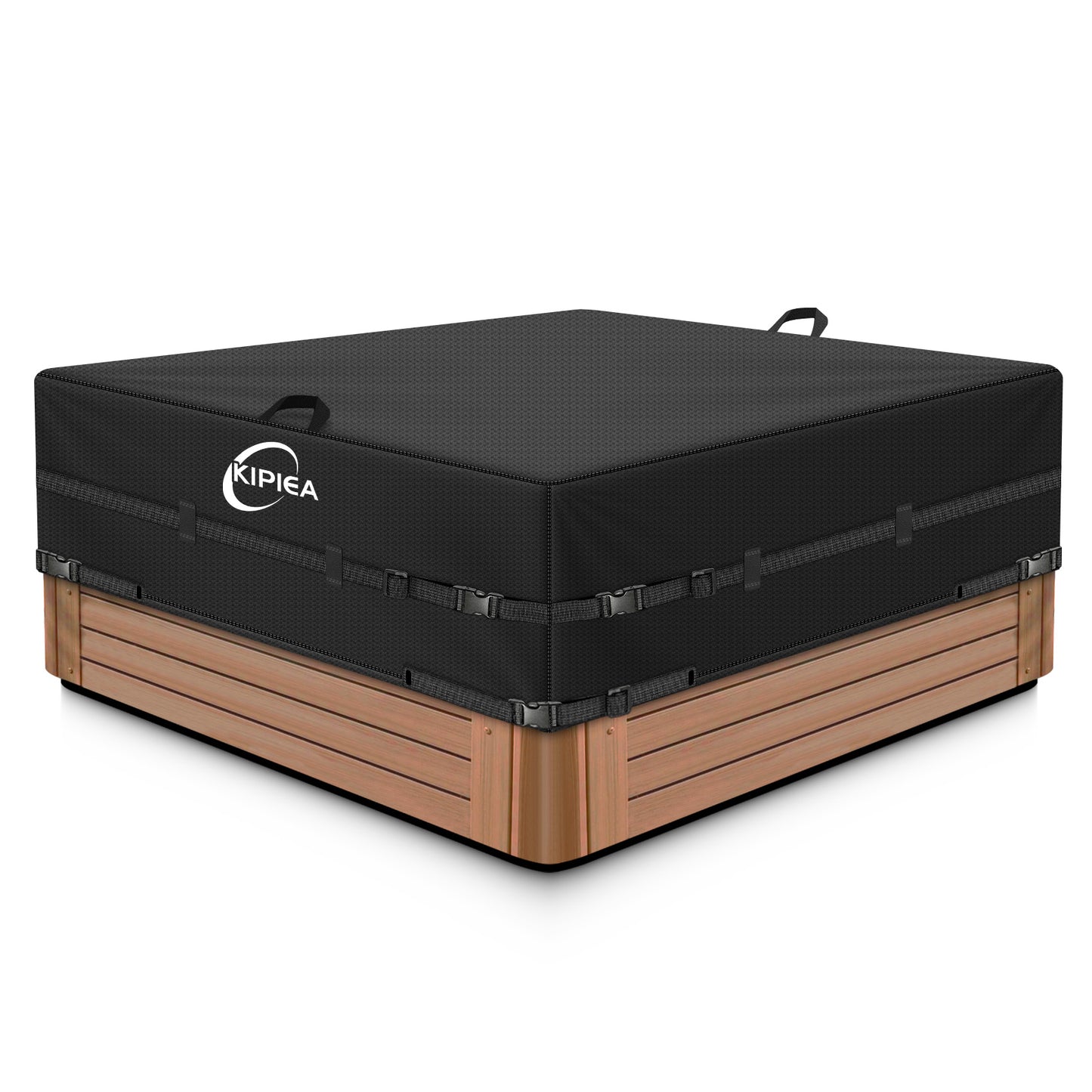
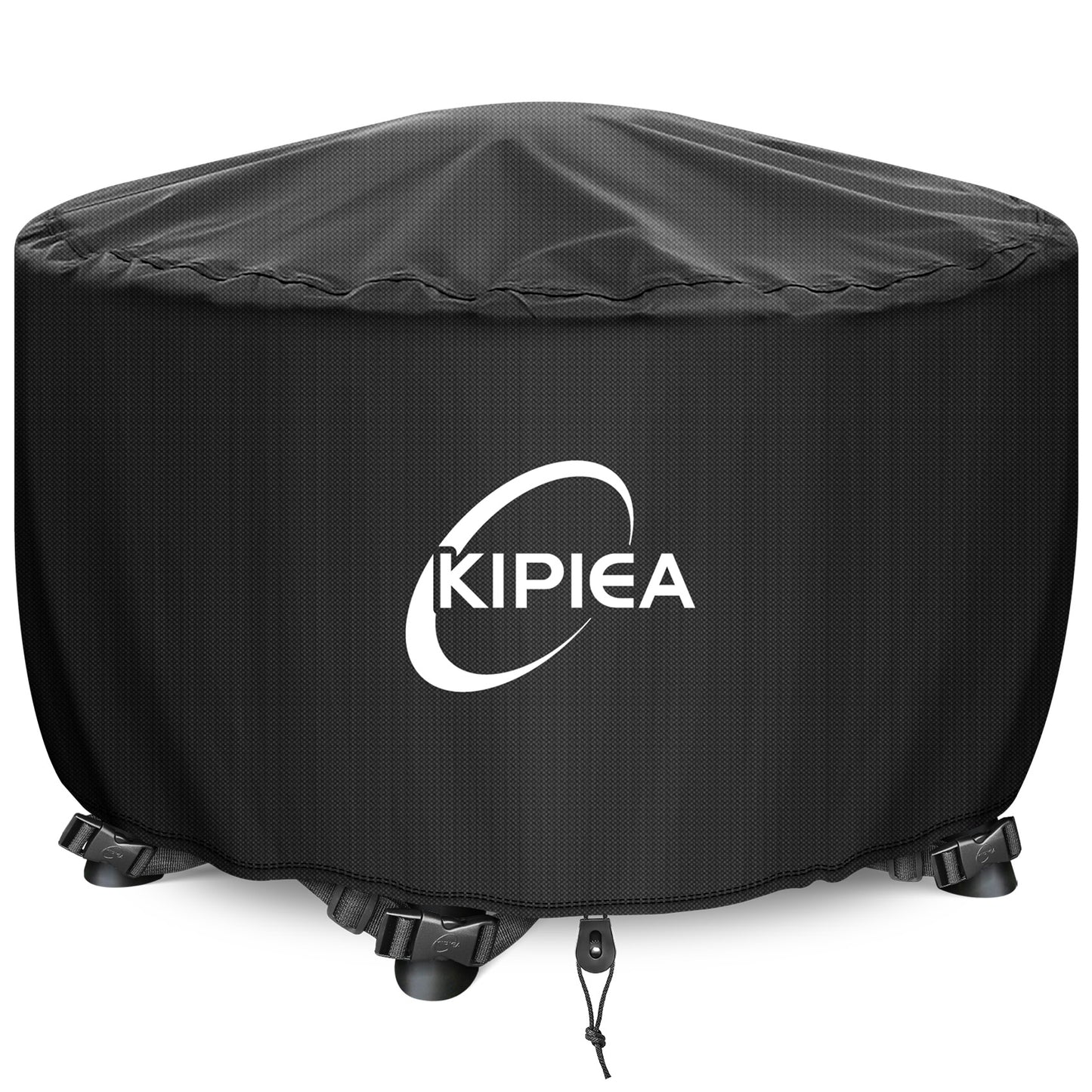
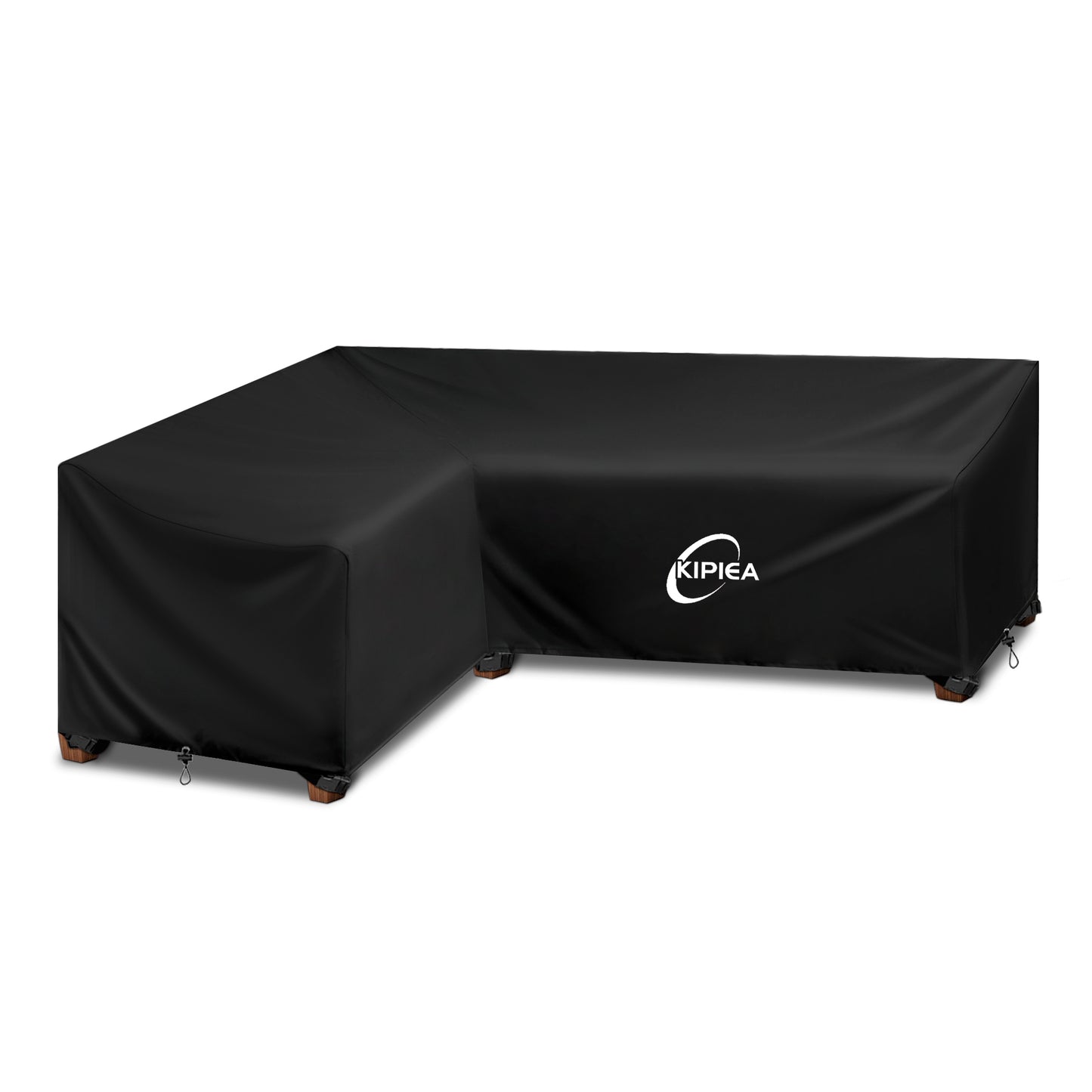
A close-fitting cover stays on and follows the shape of the furniture. This image was created to illustrate the idea; it is not a photograph of a particular customer's garden.
What a loose cover actually does
Wind is the first problem. Loose fabric gives the wind something to grab. Once air gets underneath, the cover behaves like a sail: it lifts, slaps, and sometimes comes off altogether. A cover lying on the lawn isn't protecting anything.
The same flapping also wears the cover out. Every gust rubs the fabric against sharp corners, lid handles, side shelves, hopper edges and chair arms. Over a season, that abrasion thins the cloth and stresses the seams, even on a tough polyester cover.
Water is the other half. A cover that fits closely follows the shape, so rain and meltwater run off. A baggy cover sags, puddles collect in the folds, and gaps at a loose hem let rain, dirt and sun in at the sides.
A cover that's too small is no better. It strains at the seams, may not reach far enough down, and leaves handles or cushions poking out. The sweet spot is a close fit with a little room to get the cover on and off — not a size that's merely "close enough" in either direction.

A loose cover lifts in the wind, rubs at the edges and lets water pool.
Start with a ready-made size if it fits
Most patio sets, chairs, sofas and grills will match a ready-made size, and that's the simplest route. We carry a range of patio furniture covers and grill covers in standard sizes for that reason.
Compare your measurements with the size chart on the product page. Our charts list the cover's own dimensions, not the item's. As a general guide, choose a size that's a little larger than what you measured — typically an inch or two on width and depth — so the cover slips on easily over cushions or handles. Avoid one that's much bigger, because loose fabric catches the wind and lets water pool. If you're between two sizes, the larger one is usually the safer choice.
A ready-made cover that's the right size, with the buckles and drawstring fastened, will stay put and last.
When a ready-made size isn't the right fit
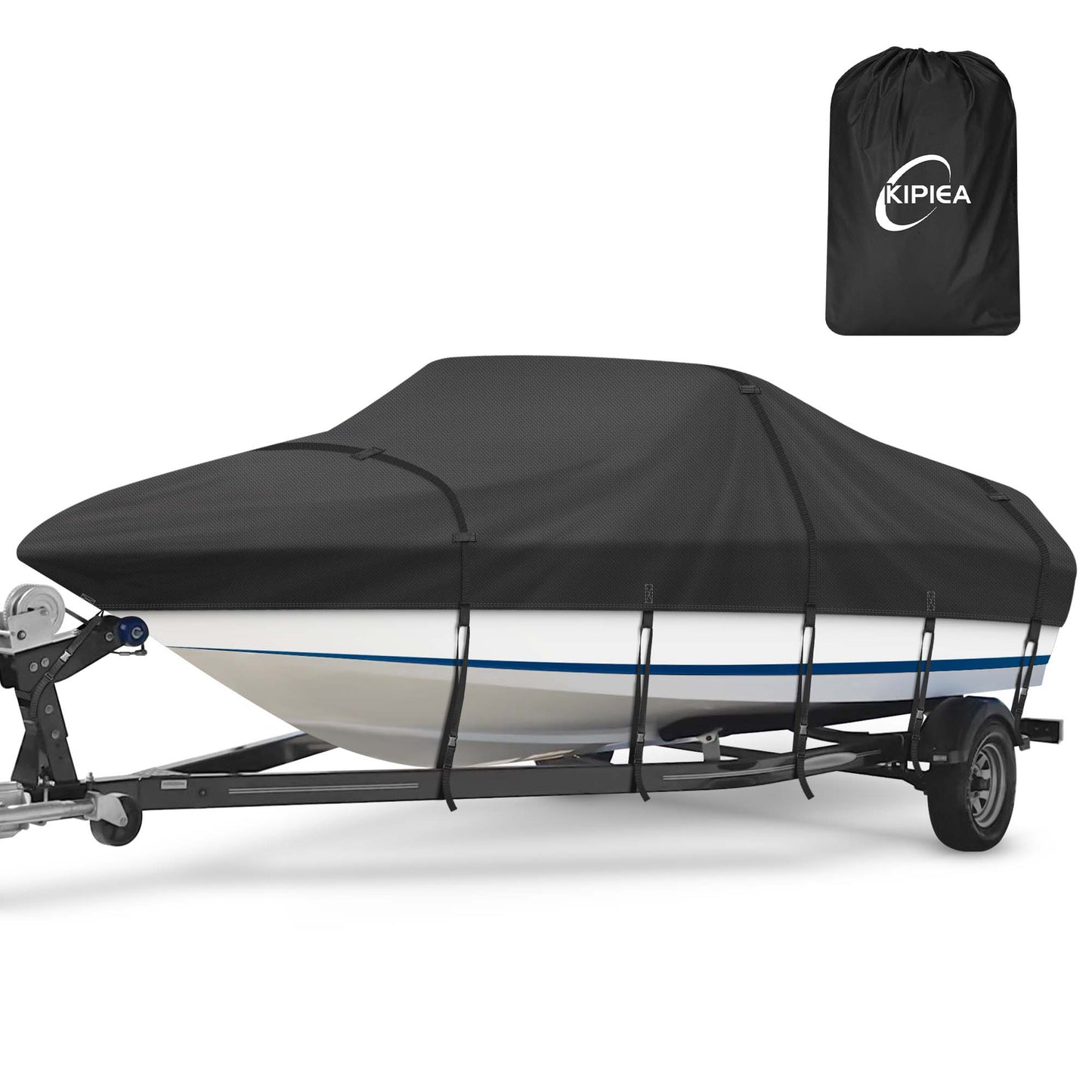
Some things just don't match a standard size: oversized or unusual sectionals, curved or built-in benches, a grill whose layout the chart doesn't quite cover, a boat, or anything with an odd footprint. Forcing a too-big rectangle over an L-shaped sectional leaves a lot of loose fabric for the wind to catch.
That's when a custom cover earns its keep. We make it to your measurements, in the same waterproof Oxford polyester we use on the ready-made range — 420D, 500D or 600D, with a double-layer PU coating, taped seams and UPF 50+ sun protection. All three fabrics are available for custom orders. Because the cover follows the actual shape, it sits closer, sheds water more cleanly, and gives the straps and drawstring less slack to fight.
There's no online price calculator, and that's on purpose. Enquire on our Custom Size Covers page, or email support@kipieacovers.com with "Custom cover" in the subject, and a person on our team looks after you from the first message to the finished cover. We check your details, send a quote, and reply within 48 hours. Please email photos, because the form can't take attachments.
We'll also be honest. If a ready-made size will already do the job, we'll tell you. It's usually faster and costs less. Custom is for when the ready-made range isn't the right fit — not a default upgrade.
Because a custom cover is made to your measurements, it can't be returned unless it arrives damaged, defective or incorrect. That's why we confirm every measurement with you before production starts. Custom covers are still covered by our 3-year warranty against material and craftsmanship defects.

Start with a ready-made size if it fits; ask about custom only when it doesn't.
Why measuring properly matters so much
Whether you order a standard size or ask us to make one, the numbers have to be right. A carefully made cover in the wrong dimensions is still the wrong cover.
A few habits make the difference:
- Measure the item itself, not the old cover, unless the old cover already fit perfectly.
- Take width, depth and height at the widest, deepest and highest points. For round items, measure the diameter straight across the centre.
- Include anything that sticks out: side shelves, handles, armrests, hoppers, chimneys, windshields and cushions.
- Write the numbers down. For large items like sectionals, hot tubs and boats, a helper makes it easier to keep the tape straight.
- Photos help, especially a shot from above for L-shaped or unusual pieces. For a custom enquiry, front, side and top views — ideally with the tape in the shot — let us check the shape with you.

Measure width, depth and height at the widest points — and include anything that sticks out.
Our How to Measure guide walks through the common shapes — grills, chairs, sectionals, fire pits, hot tubs, boats and mowers. Use it before you order or enquire.
The most common mistakes I see are skipping a protruding shelf or hopper, measuring to the seat instead of the top of the cushions, and guessing from a faded old cover that was already too big. Those small misses are exactly what produce a cover that flaps.
Put the cover on so it can do its job
A good fit still needs a moment of care when you put the cover on. Fasten every buckle and drawstring, especially on an open, windy deck. If the top is flat, raise the middle slightly so rain and snow run off rather than pooling. There's more on wind, snow and everyday use in our cover care tips.
For fabric weight and other features, see our guide to choosing the right outdoor furniture cover. This piece is simpler: get the size right first. A well-fitted cover will always outperform a baggy one, no matter how heavy the cloth is.
Measure once, compare the chart, and order a ready-made size if it fits. If it doesn't, ask us about a custom cover. Either way, a correctly fitting cover is the one that stays on, sheds water and lasts.
Related posts

You don't need a full weekend. A short, practical tidy before the hard freezes arrive will save you a lot of work in spring.

A dirty cover still works, until mildew and a packed-away damp fold say otherwise. Here's how to hand-wash yours, dry it properly and put it away in the bag it came with.

What does the D in 420D, 500D and 600D actually mean? Jack explains denier in plain English, compares our fabrics side by side (plus 1300D for boats), shows which Kipiea covers use which fabric, and helps you choose the right one for snow, sun, wind and rain.

The right outdoor furniture cover depends on where your furniture lives, how it's shaped and what your winters are like. Here's how to choose fabric, fit and features with confidence.

"Waterproof" is on almost every patio furniture cover, but what does it actually take? Here's how double-layer PU coating, taped seams and fabric weight work together to keep your furniture dry.