



Orders over US$150 ship free to the United States. No code needed.

A good outdoor furniture cover is one of the easiest ways to make your patio set last longer. It keeps off rain, snow, sun, pollen and bird droppings, and saves you dragging cushions inside every evening. But not every cover suits every patio. The right one depends on where your furniture lives, how it's shaped and what your winters look like. This guide walks you through the choices that matter, so you can buy once and buy right.
1. Start with where your furniture lives
Before you look at sizes or features, think about how exposed your furniture is.
- Sheltered spots like covered porches, screened patios or under a deep awning mostly see dust, pollen and the odd blown-in shower.
- Open decks and patios get the full mix: rain, strong summer sun, wind and, in much of Canada and the northern US, months of snow.
- Exposed and windy sites such as rooftops, lakefronts, hilltops and coastal homes need a cover that's tough and stays firmly in place.
The more exposed the furniture, the more it pays to invest in heavier fabric and a secure fit.
2. Choose the right fabric weight
Most quality covers are made from polyester Oxford fabric, a tight woven fabric that resists tearing far better than thin plastic. The number before the "D" (denier) tells you how thick the yarn is. A higher number means a heavier, tougher fabric. Kipiea Covers offers three weights:
| Fabric | Weight | Best for |
|---|---|---|
| 420D | about 128 GSM | Covered patios, milder climates and furniture you uncover often. It's light and quick to put on and fold away. |
| 500D | about 168 GSM | A reliable all-rounder for furniture that sits outside all year. |
| 600D | about 248 GSM | Exposed decks, strong wind, intense sun and long, snowy winters. |
Heavier isn't automatically better for everyone. If you use your patio set most evenings, a lighter cover is easier to take on and off, and it packs away smaller. If your furniture sits untouched under snow from November to April, the extra strength of 600D gives you more peace of mind. Our fabric guide goes into more detail.
Look past the fabric, too
Fabric weight is only part of the story. Check for:
- A waterproof coating. Kipiea Covers uses a double-layer PU coating rated to withstand more than 200,000 Pa of water pressure. We explain how it works in how double-layer PU coating keeps covers waterproof.
- Sealed or taped seams, so water can't creep in through the stitching.
- UV protection, because sun breaks fabric down over time. Our fabric is rated UPF 50+.
3. Get the fit right
Fit matters more than almost anything else. A cover that's too small strains at the seams and won't reach the ground. One that's far too big catches the wind like a sail and lets water pool in the folds.
Measure the furniture, not the old cover
- Width: side to side at the widest point, including arms.
- Depth: front to back, including cushions that stick out.
- Height: from the ground to the highest point, usually the top of a chair or sofa back.
Leave a little room so the cover slips on easily. As a general guide, aim for an inch or two of extra width and depth. Most size charts, including ours, list the cover's dimensions rather than the furniture's, so compare your measurements against the chart before ordering. Our step-by-step How to Measure guide covers every common shape.
Match the shape
- Chairs and loungers: individual covers keep each piece snug and are easy to handle.
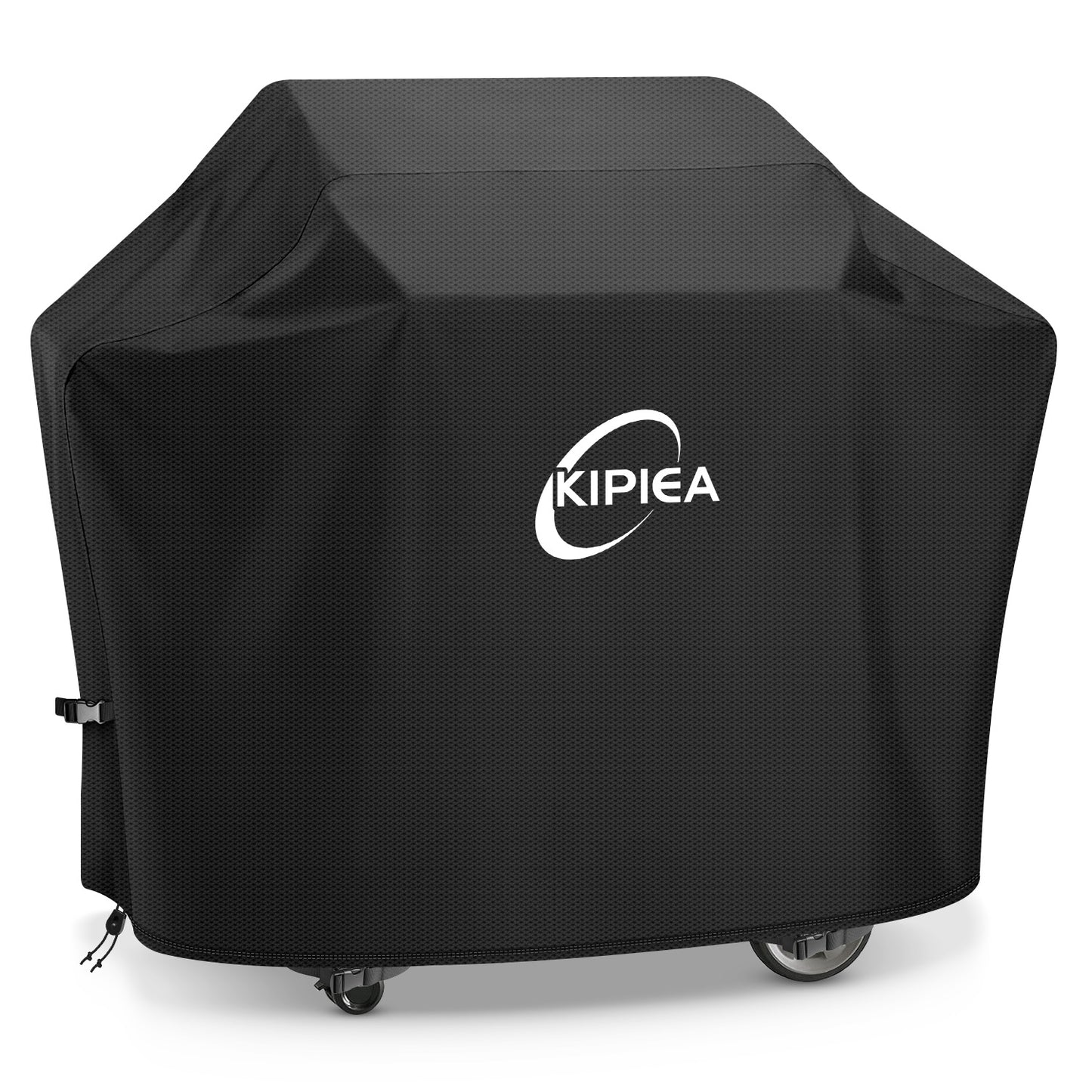
- Sofas and loveseats: look for a cover shaped to the back and arms so it doesn't sag.
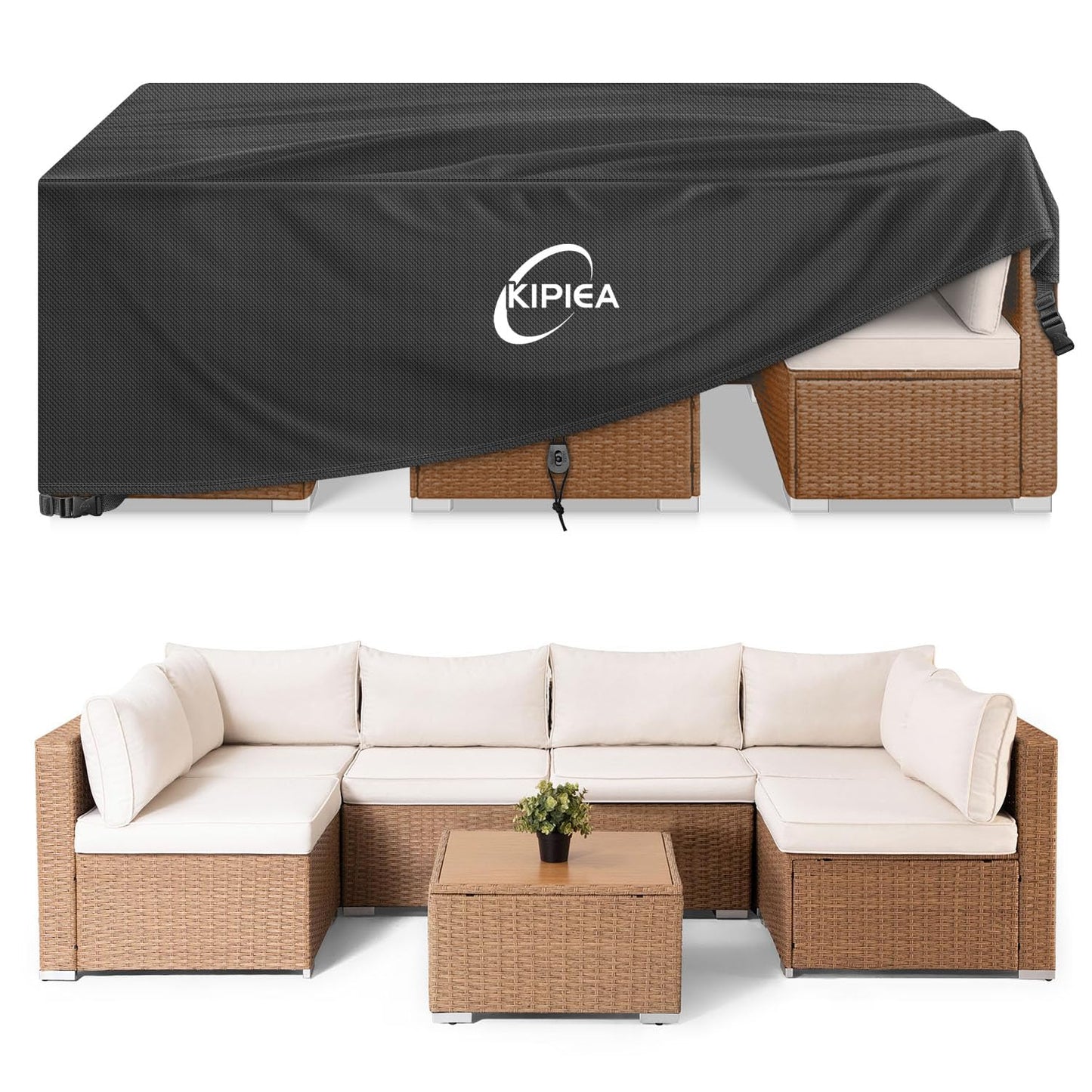
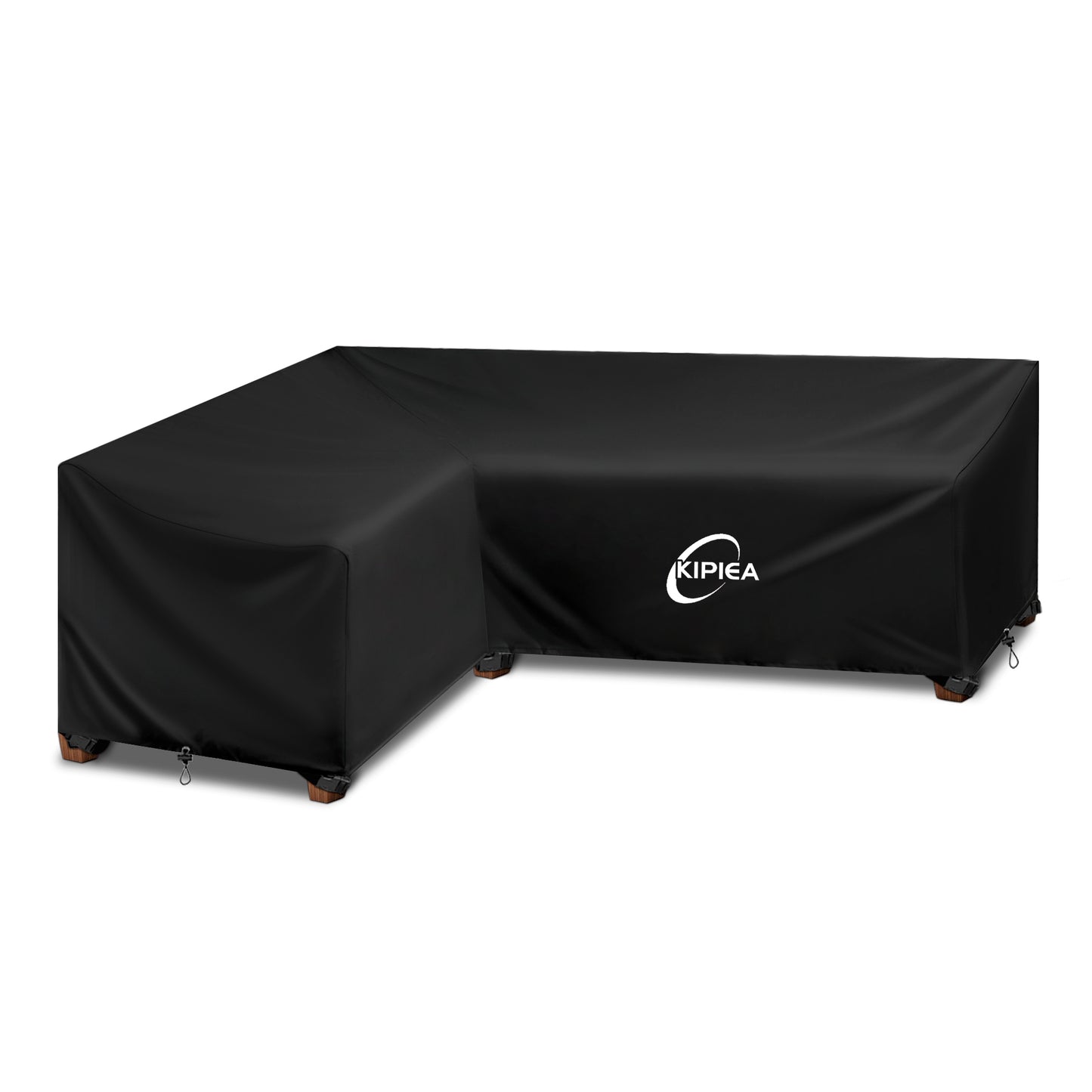
- Sectionals: L-shaped and V-shaped covers follow the corner, so you don't end up with a huge rectangle of loose fabric. Measure each side along the back and check whether your L-shape is left- or right-facing.
- Dining and conversation sets: a single large set cover can protect a table and its chairs together. Push the chairs in before you measure the full footprint.
4. Make sure it stays put
Wind is the most common reason covers fail. Even a well-made cover can't protect anything once it's blown into the neighbour's yard. Look for:
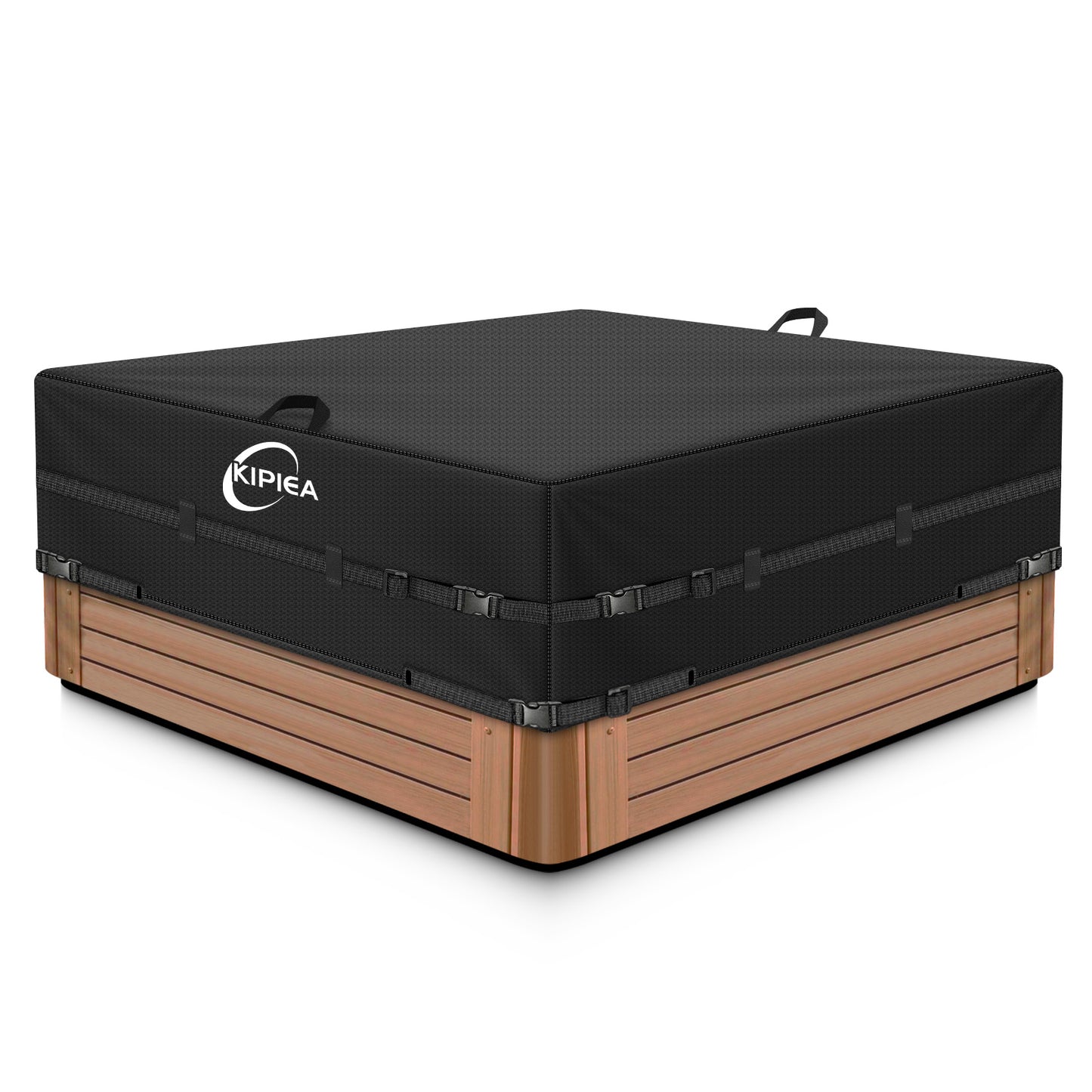
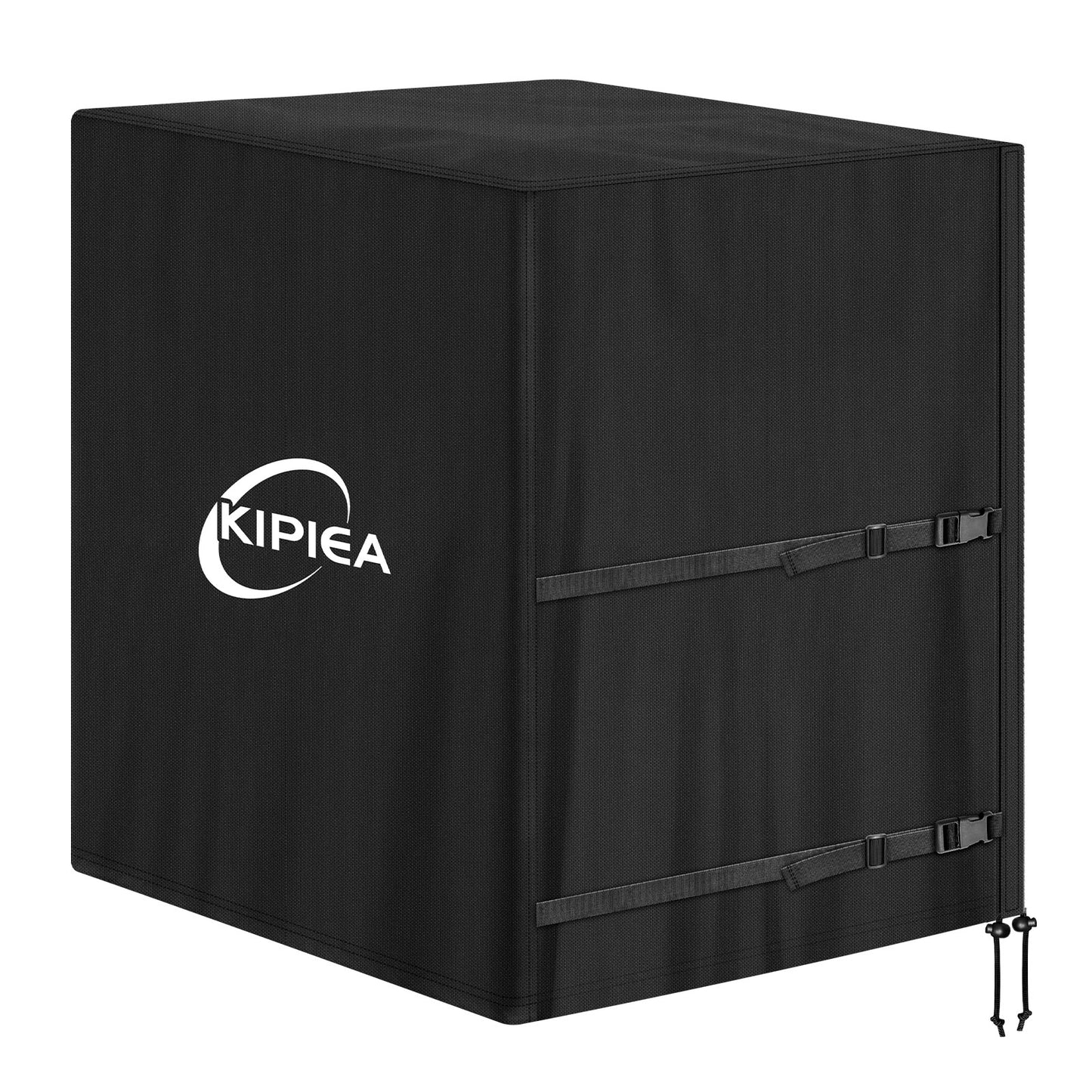
- Buckle straps that clip around legs or frames to anchor the cover.
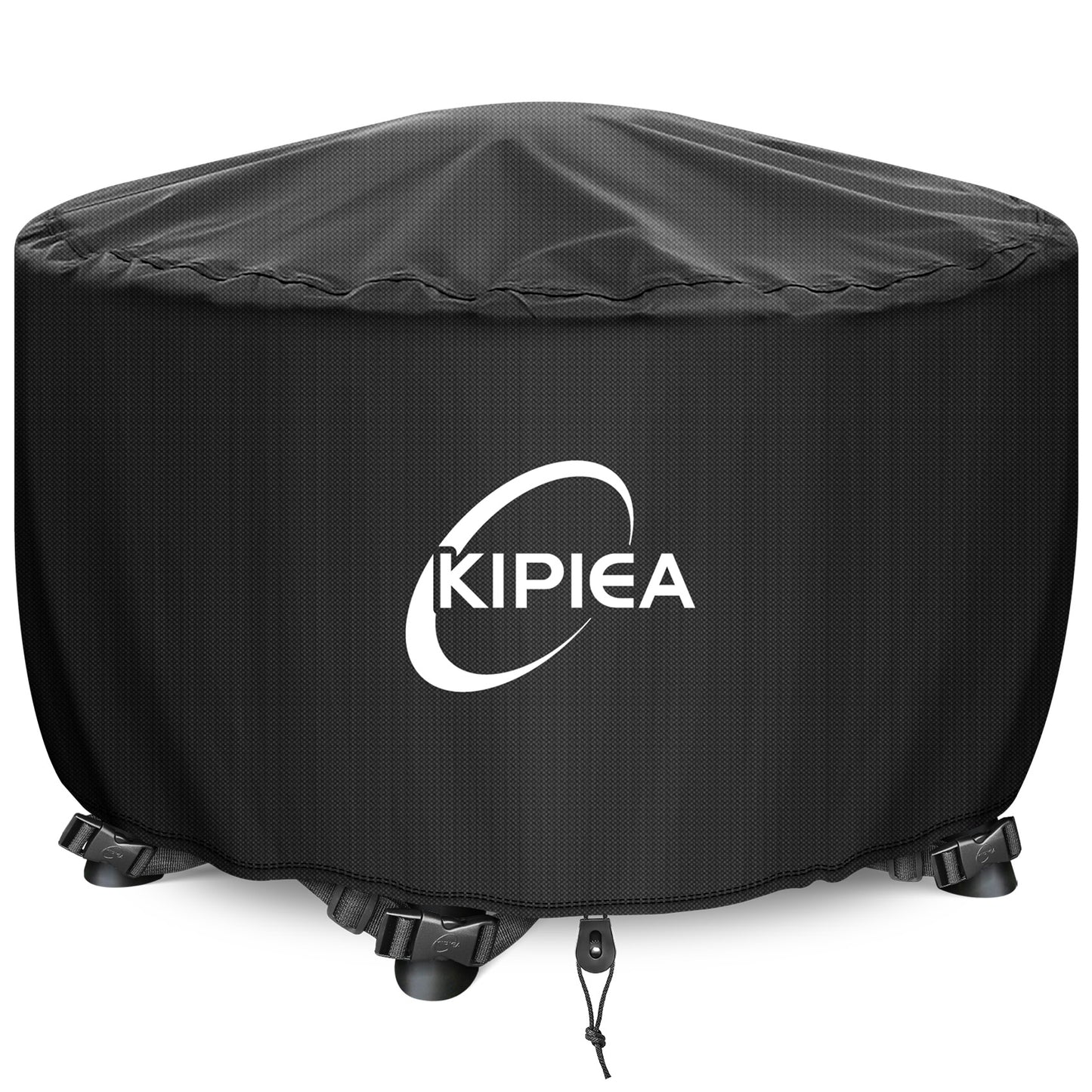
- A drawstring hem with toggles to cinch the bottom tight.
- A close fit, because less loose fabric gives the wind less to grab.
Kipiea Covers furniture covers use adjustable buckles and drawstrings for exactly this reason. On very exposed sites, fasten every strap, every time.
5. Think about airflow and condensation
A waterproof cover keeps rain out, but it can also trap moisture if furniture goes under the cover damp. A few habits make a big difference:
- Cover furniture when it's dry.
- On flat tables and sectional seats, put something under the middle of the cover, like an upturned bucket, so rain runs off and air can circulate underneath.
- Keep any vents clear, and take the cover off on a dry day after long wet spells to let everything air out.
6. Pick a practical colour
Colour is mostly personal taste, but dark, neutral covers are the practical choice for most patios. They hide dirt, pollen and leaf stains far better than light colours, and they look tidy against most outdoor furniture. Our covers come in black.
7. Plan for winter
If you're in Canada or the snowier parts of the US, winter is the real test. To get your furniture through it:
- Choose 500D or 600D fabric for furniture that stays outside all winter.
- Bring cushions inside or store them dry if you can. They'll last longer.
- Raise the middle of the cover so snow and meltwater slide off.
- Brush heavy snow off with a soft broom from time to time. Never use a shovel or anything sharp on the fabric.
- Check the straps after big storms and re-tighten if needed.
8. One big cover or several small ones?
A single set cover is quick: one cover, one job, and the whole group stays protected. Individual covers take a little longer but fit each piece more closely, handle wind better and let you use one chair without uncovering everything. Many people mix the two, with a set cover for the dining table and chairs and fitted covers for the sofa or sectional.
When a standard size won't do
Oversized sectionals, curved sofas, built-in benches and unusual sets don't always match standard sizes. Kipiea Covers makes custom covers to your measurements in 420D, 500D or 600D fabric. Send us your measurements and a few photos, and our team will reply personally within 48 hours.
Why Kipiea Covers
Jack founded Kipiea Covers in 2018 to make better outdoor furniture covers. It started as an Amazon brand, and today we sell thousands of covers every month, with over 4,000 reviews on Amazon. Our covers are made in three factories we've invested in, by craftspeople with more than 25 years of experience, and every one passes six quality-control steps. Our products are GRS (Global Recycled Standard) certified, come with a 3-year warranty against manufacturing defects, and ship free on orders over US$150 to the United States.
Frequently asked questions
Are outdoor furniture covers worth it?
For most people, yes. A good cover protects against sun fading, rain, snow, dirt and bird droppings, cuts down on cleaning and helps furniture, cushions and fabrics last longer. The cost is usually small compared with replacing a patio set.
Should I cover my patio furniture in winter?
If it stays outside, yes. Use a well-fitted cover in a sturdy fabric, raise the middle so snow and water run off, and brush off heavy snow from time to time. Store cushions indoors where you can.
Is 600D better than 420D?
600D is heavier and more tear-resistant, so it's the better choice for exposed, windy or snowy spots. 420D is lighter and easier to handle, which suits sheltered patios and furniture you uncover often.
How much bigger than my furniture should the cover be?
As a general guide, an inch or two larger in width and depth gives enough room to fit the cover easily without loose fabric flapping in the wind. Always check the size chart, because cover sizes refer to the cover itself.
Can I leave cushions under the cover?
You can for short periods, as long as the cushions are dry when you cover them. For long wet seasons or winter, storing cushions indoors helps them last longer.
Ready to find your cover? Shop patio furniture covers, sectional covers or table and chair set covers. If nothing fits quite right, ask us about a custom cover.
Related posts

You don't need a full weekend. A short, practical tidy before the hard freezes arrive will save you a lot of work in spring.

A dirty cover still works, until mildew and a packed-away damp fold say otherwise. Here's how to hand-wash yours, dry it properly and put it away in the bag it came with.

A correctly fitting outdoor cover stays on, sheds water and lasts longer. If it's loose and flapping in the wind, it won't protect properly — and it can wear itself out.

What does the D in 420D, 500D and 600D actually mean? Jack explains denier in plain English, compares our fabrics side by side (plus 1300D for boats), shows which Kipiea covers use which fabric, and helps you choose the right one for snow, sun, wind and rain.

"Waterproof" is on almost every patio furniture cover, but what does it actually take? Here's how double-layer PU coating, taped seams and fabric weight work together to keep your furniture dry.